No products in the cart.
Top Load or Front Load Washing Machine
Top Load or Front Load Washing Machine, buying a washing machine feels easy until you start scrolling through options. Then you hit a wall of questions. Which one cleans better? Which one saves money? And the big one—should you go for a top load or front load washing machine?
Here’s the thing. There’s no universal “best” choice. But there’s definitely a best choice for you. Let’s figure it out together.
What’s Not So Great About Front Loaders?
Front loaders get a lot of hype. They deserve it. But they’re not perfect.
First up—price. These machines cost more upfront. You’re paying for fancy motors, better suspension, plus electronic controls. For a lot of families, that initial number feels steep.
Then there’s the care routine. Front loaders need regular attention. You have to wipe down the rubber seal around the door. Clean the detergent drawer every few weeks. Skip this and you might notice funky smells or even mold. It’s not a design flaw. It just means these machines need a little TLC.
Oh, and wash cycles? They take longer. The cleaning is thorough, sure. But if you’re in a rush, waiting 90 minutes for one load can test your patience.
So if you want a front loader, go in knowing it’s a relationship that needs maintenance.
Where Top Loaders Fall Short
Top loaders are convenient. No bending down to load laundry. But they have trade-offs too.
The biggest issue is water usage. Traditional top loaders fill the entire drum with water. Your utility bill notices. Over a year, those extra gallons add up.
They can also be rougher on clothes. Models with agitators—the spindle thing in the middle—tug at fabric. Delicate items wear out faster.
Energy efficiency? Not their strong suit. Modern top loaders are getting better. But they still use more power than front loaders.
If you care about long-term savings, these drawbacks matter.
Which One Actually Cleans Better?
Let’s cut to it. Front loaders win this round.
Here’s why. Front loaders tumble your clothes. They lift them up, then drop them down repeatedly. It mimics the way you’d hand-wash something. This action digs deep into fabric and pulls out dirt. Plus, they do it with less water.
Top loaders clean fine for everyday stuff. But tough stains? Delicate fabrics? Front loaders handle those better.
So if cleaning power is your top priority, the answer leans toward front load.
Why Are Top Loaders Cheaper?
Simple. They’re less complicated.
Top loaders use basic drum mechanisms. Fewer electronic parts. Simpler engineering. That keeps manufacturing costs down. You see the savings at checkout.
Repairs are usually cheaper too. Find a local repair guy and they’ll likely know top loaders inside out.
For budget-conscious buyers, top loaders deliver solid value without breaking the bank.
Why Front Loaders Cost More
You’re not just paying for a name. Front loaders pack in real technology.
Advanced motors that last longer. Suspension systems that reduce vibration. Plus better energy and water efficiency. They’re also gentler on your clothes.
Think of it this way. You’re paying upfront for savings that stretch over years. It’s an investment, not just a purchase.
Common Top Loader Problems
The most frequent issue? Drainage and balance troubles.
Lint builds up over time. Or you overload one side of the drum. Water doesn’t drain properly. The machine shakes. Sometimes it stops mid-cycle.
Good news—these are usually easy fixes. Regular cleaning helps. So does loading clothes evenly.
Common Front Loader Problems
For front loaders, the main complaint is odor.
Moisture gets trapped around the door seal. If you close the door right after washing, it creates a breeding ground for mildew. Smells happen.
The fix? Wipe the gasket dry. Leave the door cracked open between washes.
Mechanically, front loaders are built tough. But they ask a bit more from you in daily care.
Which Lasts Longer?
Front loaders typically outlast top loaders.
Their motors handle heavy-duty use. They face less mechanical stress during cycles. Maintenance might cost more if something breaks. But the overall lifespan often makes up for it.
Top loaders last well too, especially basic models. But constant water flow plus mechanical wear can shorten their life over time.
Why People Still Love Top Loaders
Despite everything, top loaders dominate in many homes. Here’s why.
They’re easy to use. No awkward bending. Quick wash cycles for busy mornings. Affordable prices. Plus, elderly family members find them more comfortable.
For many households, convenience beats efficiency. That’s a valid choice. Life’s too short to stress over laundry specs.
So What Should You Pick?
Let me make this simple.
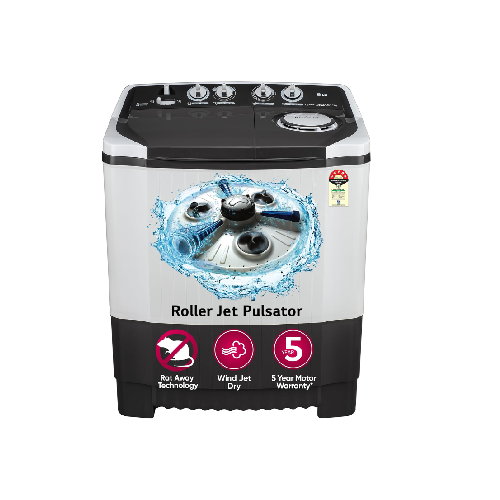
Go for a top load washing machine if:
- Budget matters most right now
- You want faster wash cycles
- Easy loading is important
- You prefer straightforward maintenance
Go for a front load washing machine if:
- Cleaning performance is non-negotiable
- You want lower water and electricity bills
- You’re thinking long-term investment
- You don’t mind a little extra care
Neither choice is wrong. It’s about matching the machine to your life.
Ready to Decide?
If you’re set on buying, check out options at trusted retailers like James & Co. They stock both types from reliable brands. You’ll find something that fits your needs, whether you lean toward simple top loaders or efficient front loaders.
Final Thoughts
Laundry happens every week. The right machine makes it easier. Don’t chase what’s trending. Pick what makes sense for your household size, habits, plus budget.
And next time someone asks—top load or front load washing machine, which is better?—you’ll know exactly how to answer. For your home. For your life.
That’s what matters most.