No products in the cart.
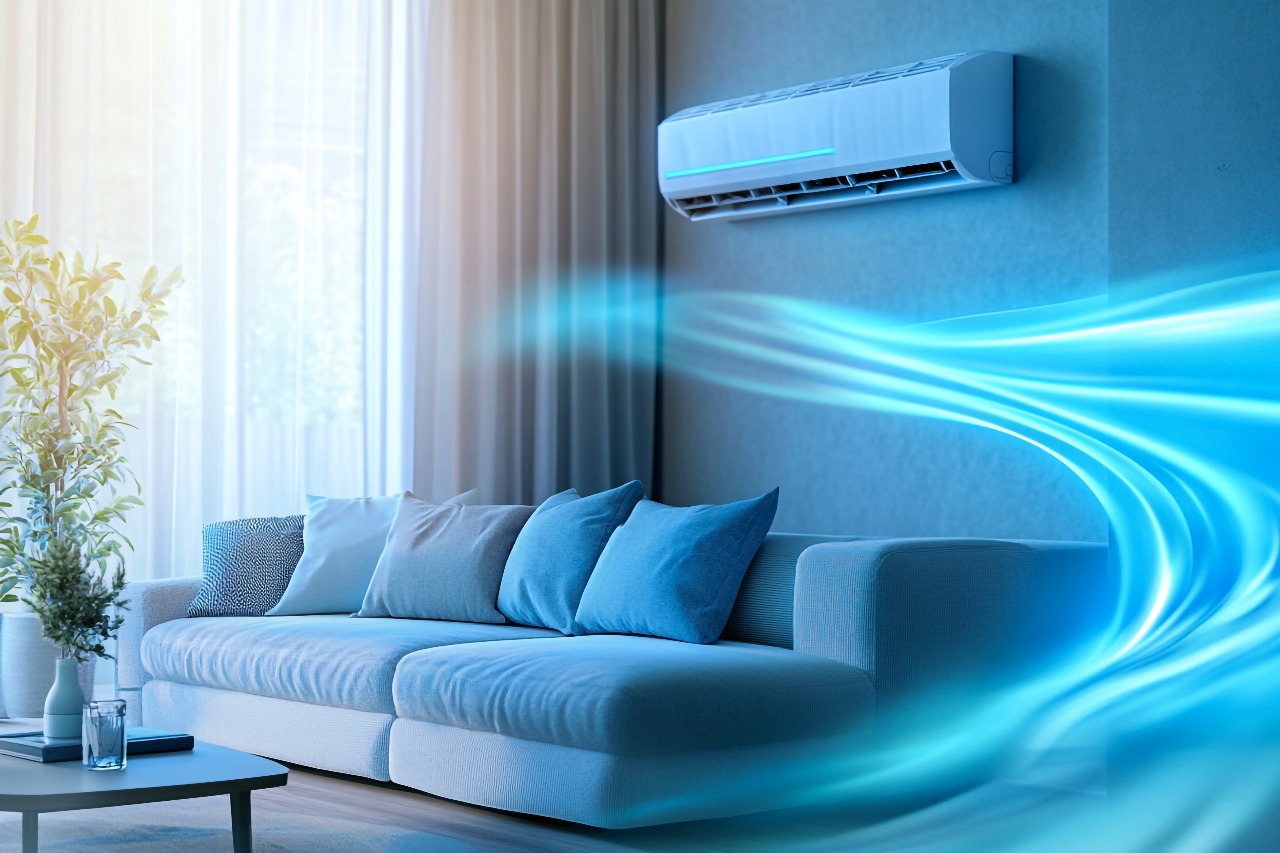
As temperatures continue to rise, having a reliable air conditioner isn’t just a luxury—it’s a necessity! Whether you’re upgrading an old unit or buying your first AC, choosing the right one can significantly impact your comfort, energy bills, and indoor air quality. With so many options on the market, selecting the perfect air conditioner may seem overwhelming, but don’t worry—we’ve got you covered!
In this comprehensive guide, we’ll walk you through everything you need to know about air conditioners, from different types and key features to energy efficiency and maintenance tips. By the end, you’ll be equipped to make an informed decision and chill out in style!
Understanding Different Types of Air Conditioners
Before making a purchase, it’s essential to understand the various types of air conditioners available. Each type is designed for specific needs and room sizes. Here are the most common ones:
1. Window Air Conditioners
Window ACs are compact, single-unit systems that fit into a window frame or a specially made wall slot. They are affordable, easy to install, and ideal for cooling a single room.
Pros:
- Budget-friendly
- Simple installation
- Space-saving
Cons:
- Can obstruct windows
- Limited cooling range
2. Split Air Conditioners
Split ACs consist of two units—an indoor unit that cools the air and an outdoor compressor unit. They provide efficient cooling and a sleek look without taking up window space.
Pros:
- Powerful cooling performance
- Quiet operation
- Aesthetic appeal
Cons:
- Higher initial cost
- Requires professional installation
3. Portable Air Conditioners
These freestanding units can be moved from one room to another. They are an excellent option for renters or those who need flexible cooling solutions.
Pros:
- No permanent installation required
- Easy mobility
- Perfect for temporary cooling needs
Cons:
- Less powerful than window or split ACs
- Can be noisy
4. Central Air Conditioning Systems
Central AC systems are designed to cool an entire home. They use a network of ducts to distribute cool air evenly across multiple rooms.
Pros:
- Uniform cooling throughout the house
- High energy efficiency
- Enhances home value
Cons:
- Expensive installation
- Requires regular maintenance
5. Inverter Air Conditioners
Inverter ACs adjust the compressor speed based on cooling needs, leading to better energy efficiency and consistent temperature control.
Pros:
- Saves energy
- Provides faster cooling
- Reduces electricity bills
Cons:
- Higher upfront cost
Key Features to Look for in an Air Conditioner
Once you’ve determined the type of air conditioner that suits your needs, consider these essential features to ensure maximum comfort and efficiency:
1. Cooling Capacity (BTUs)
The cooling power of an AC is measured in British Thermal Units (BTUs). Choosing the right BTU rating is crucial for optimal performance:
- Small rooms (100-300 sq. ft.): 5,000-7,000 BTUs
- Medium rooms (300-500 sq. ft.): 8,000-12,000 BTUs
- Large rooms (500+ sq. ft.): 14,000+ BTUs
2. Energy Efficiency (Star Rating & EER)
Energy efficiency should be a top priority. Look for:
- Energy Star rating: Indicates low power consumption
- Energy Efficiency Ratio (EER): Higher EER means better efficiency
- Inverter technology: Adjusts power usage based on room temperature
3. Smart Features
Modern air conditioners come with smart features such as:
- WiFi connectivity for remote control
- Voice control via Alexa or Google Assistant
- Sleep mode for quiet and energy-efficient operation at night
4. Air Purification & Dehumidification
If you live in a humid or polluted area, look for ACs with built-in filters and dehumidifiers to improve indoor air quality.
5. Noise Level
A quiet AC enhances comfort, especially for bedrooms or offices. Check the decibel (dB) rating before purchasing.
Installation and Maintenance Tips
Proper installation and maintenance play a significant role in the efficiency and longevity of your air conditioner. Here’s what you need to keep in mind:
Installation Tips:
- Ensure proper insulation around the unit to prevent cool air leakage
- Place the outdoor unit in a shaded, well-ventilated area for optimal efficiency
- Hire a professional for split and central AC installations
Maintenance Tips:
- Clean or replace filters every 1-2 months
- Keep vents and coils dust-free
- Schedule an annual service check-up
- Check for refrigerant leaks to maintain cooling efficiency
Best Air Conditioner Brands in 2025
When investing in an air conditioner, choosing a reputable brand ensures quality and durability. Some of the best AC brands in 2025 include:
- Daikin (Superior energy efficiency)
- LG (Smart features & stylish designs)
- Hitachi (Reliable performance)
- Voltas (Budget-friendly & efficient)
- Blue Star (Great for extreme weather conditions)
Conclusion
Finding the perfect air conditioner for your home doesn’t have to be a daunting task. By understanding the different types, key features, and maintenance tips, you can make an informed choice that keeps you cool and comfortable all year round. Whether you opt for a budget-friendly window unit or a high-tech inverter AC, remember that the right air conditioner enhances your living space and improves your quality of life.
So, why wait? Upgrade your cooling game today and chill out in style!